
Fit After 60: Simple Health Tips for Senior Citizens
Turning 60 is not the end of the road. For many people, it is the start of a calmer, more meaningful chapter. You have time for hobbies, family, travel, and the things you always postponed. But to enjoy this chapter fully, your health needs a little extra attention.
The good news is that staying healthy after 60 doesn’t require complicated routines or expensive treatments. Small, steady habits make the biggest difference. Here is a simple guide.
1. Keep Moving Every Day
Your body is made to move, and it stays stronger when it does. You don’t need a gym or heavy exercise.
- Walk daily. A 30-minute walk in the morning or evening is excellent for the heart, joints, and mood. You can split it into two shorter walks.
- Stretch gently. Light stretching and yoga improve flexibility and reduce stiffness.
- Try balance exercises. Standing on one leg while holding a chair, or slow tai chi-style movements, help prevent falls.
- Build strength. Light resistance exercises, like lifting small weights or using resistance bands, protect muscles and bones.
Start slowly, listen to your body, and check with your doctor before beginning anything new, especially if you have heart, joint, or blood pressure problems.
2. Eat Simple, Eat Fresh
As we age, our bodies need fewer calories but just as many nutrients. Food becomes medicine when chosen well.
- Fill your plate with colour. Seasonal fruits and vegetables provide vitamins, fibre, and antioxidants.
- Get enough protein. Dal, curd, eggs, paneer, fish, nuts, and sprouts help maintain muscle strength.
- Choose whole grains. Roti, brown rice, oats, and millets keep digestion healthy and energy steady.
- Cut down on salt, sugar, and fried food. These affect blood pressure, diabetes, and heart health.
- Eat smaller meals regularly. This is easier on digestion than two or three heavy meals.
- Ask about calcium and vitamin D. Bones weaken with age, so talk to your doctor about your needs.
3. Drink Enough Water
Many seniors don’t feel thirsty even when their bodies need water. Dehydration can cause tiredness, confusion, dizziness, and urinary problems.
Sip water throughout the day. Buttermilk, coconut water, soups, and light herbal teas also count. If your doctor has advised a fluid limit for any condition, follow that instead.
4. Get Regular Health Check-Ups
Prevention is easier than cure. Even if you feel fine, regular check-ups catch problems early. Ask your doctor which of these are right for you:
- Blood pressure and blood sugar
- Cholesterol and heart health
- Eye check-up (cataract, glaucoma)
- Hearing test
- Bone density
- Dental check-up
- Vaccinations, such as flu and pneumonia
Keep all your reports in one folder so any doctor can understand your history quickly.
5. Take Medicines Carefully
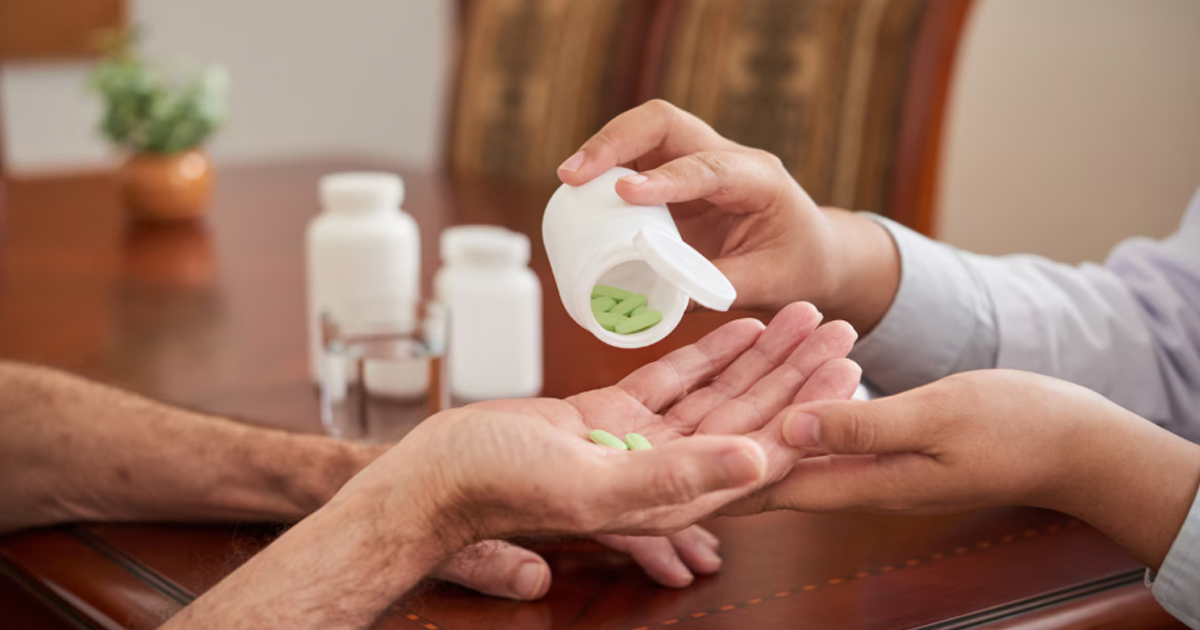
Many seniors take several medicines, and mistakes can be risky.
- Keep a written list of all medicines and timings.
- Use a weekly pill organizer.
- Never stop or change a medicine without asking your doctor.
- Don’t take someone else’s medicines or old leftover ones.
- Check expiry dates regularly.
- Ask a family member to help if you ever feel confused about the schedule.
6. Sleep Well
Good sleep helps the body repair itself and keeps the mind sharp. To sleep better:
- Go to bed and wake up at the same time every day.
- Avoid heavy dinners and tea or coffee late in the evening.
- Keep your bedroom quiet, dark, and comfortable.
- Limit long daytime naps. A short rest after lunch is fine.
- Switch off the TV and phone before bed.
If you have trouble sleeping for weeks, speak to your doctor instead of relying on sleeping pills.
7. Take Care of Your Mind
Mental health is as important as physical health.
- Stay curious. Read, solve puzzles, play cards or chess, learn something new.
- Stay connected. Talk to family and friends, join a senior group, or visit your neighbours.
- Keep a hobby. Gardening, music, painting, cooking, or writing gives joy and purpose.
- Share your feelings. If you feel sad, anxious, or lonely for many days, don’t hide it. Talk to someone you trust or a doctor. This is common and treatable.
- Practise calm. Meditation, breathing exercises, prayer, or quiet time can reduce stress.
8. Prevent Falls at Home
A fall can cause serious injury, but most falls are preventable.
- Keep floors dry and free of loose rugs and clutter.
- Install good lighting, especially in the bathroom and on stairs.
- Use non-slip mats and grab bars in the bathroom.
- Wear sturdy, well-fitting footwear with good grip.
- Get up slowly from bed or a chair to avoid dizziness.
- Use a walking stick or walker if needed. There is no shame in using support.
9. Protect Your Eyes, Ears, and Teeth
These small things have a big effect on daily life.
- Get your eyes tested every year and keep your glasses updated.
- Don’t ignore hearing loss. It can lead to isolation and confusion.
- Brush twice a day and visit the dentist regularly. Poor dental health affects eating and overall health.
10. Avoid Harmful Habits
It’s never too late to quit. Stopping smoking, tobacco, and excess alcohol improves heart, lung, and brain health at any age. Your doctor can guide you with support and safe methods.
11. Know the Warning Signs
Get medical help right away if you notice:
- Chest pain or sudden breathlessness
- Sudden weakness, numbness, or trouble speaking
- Sudden confusion or severe dizziness
- Fainting or a serious fall
- Unusual weight loss or persistent fever
- Blood in stool or urine
Don’t wait or assume it will pass. Quick action can save lives.
A Simple Daily Routine to Try
- Morning: Warm water, light stretching, a walk, and a healthy breakfast
- Midday: Balanced lunch, a short rest, and medicines on time
- Afternoon/Evening: Hobby time, a call to a loved one, and a second walk
- Night: Light dinner, calm activity, and sleep at a fixed time
Conclusion
Good health after 60 is not about being perfect. It’s about being consistent. Walk a little, eat well, drink water, sleep on time, stay in touch with people, and see your doctor regularly. These small choices add up to more energy, more independence, and more joy.
Your age is a sign of the life you’ve lived, not a limit on the life ahead. Take care of your health today, and the years ahead will take care of you.
Note: This article is for general awareness and is not a substitute for professional medical advice. Always consult your doctor for personal health concerns.