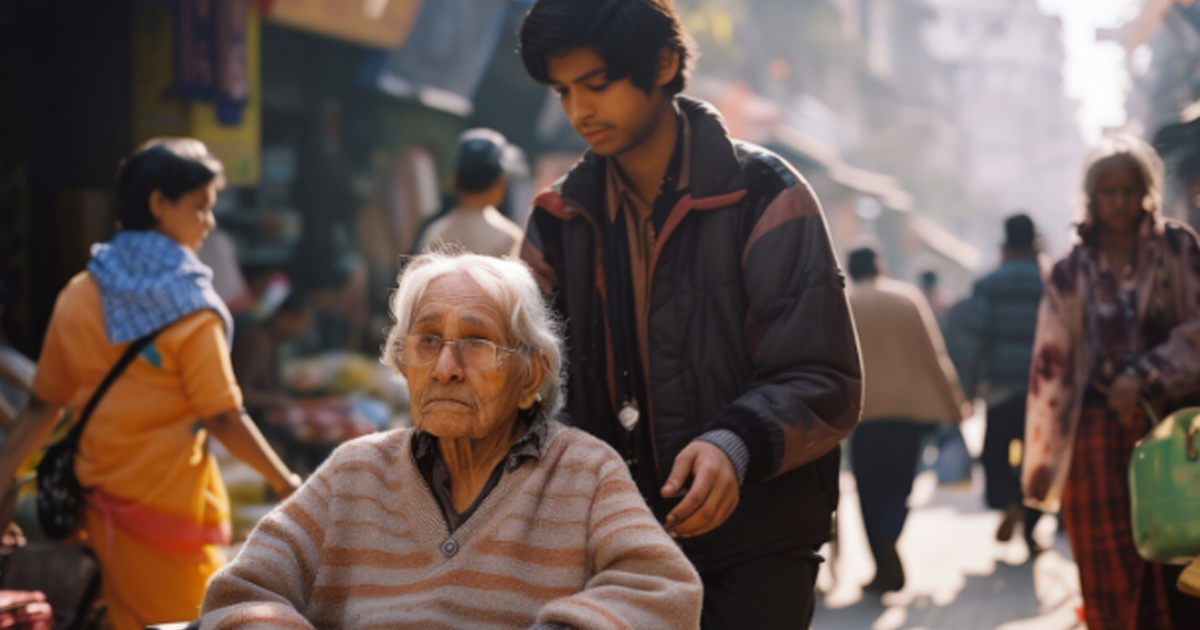
Not Loneliness, But Belonging” — Why Spending Time with the Elderly Matters

Imagine a house where the clock ticks louder than any voice. The tea is made for one, the television plays to an empty room, and the phone rarely rings. For many older adults, this is not imagination. It is every single day.
Growing old does not make people need less love. In fact, it often makes them need it more. Yet as families shrink, cities grow, and everyone gets busier, many seniors are left with plenty of memories but nobody to share them with.
This blog is about why spending time with the elderly matters, and how a little of your time can turn loneliness into belonging.
The Quiet Problem We Rarely Talk About
Loneliness among seniors is often invisible. They don’t complain. They say, “I’m fine, you go ahead, you must be busy.” But behind those words, there is often a longing for company.
Studies have linked long-term loneliness in older adults to depression, anxiety, poor sleep, weaker immunity, and a higher risk of memory problems. Feeling unwanted can hurt the body as much as an illness does.
Loneliness isn’t about being alone. It’s about feeling unseen. Someone can live in a full house and still feel lonely if no one has time to sit with them.
What Belonging Really Means
Belonging is the feeling that:
- Someone is waiting to hear from me.
- My opinion still matters.
- My stories are worth listening to.
- I am part of the family, not a guest in it.
- I am still needed.
This feeling cannot be bought or delivered. It can only be given through time, attention, and presence.
Why Spending Time with Elders Matters
1. It protects their health
Regular company keeps seniors more active, more cheerful, and more likely to eat well and follow their medicines. A visit often does what a pill cannot.
2. It restores their dignity
When you ask for their advice or listen to their stories, you remind them that their experience is valued. Respect is a powerful medicine.
3. It keeps their minds active
Conversations, memories, games, and storytelling exercise the brain and help keep it sharp.
4. It lets you learn from lived wisdom
Our elders have seen hard times, made difficult choices, and survived losses. Their advice on money, relationships, patience, and resilience is something no course can teach.
5. It keeps culture and family history alive
Recipes, folk songs, festival traditions, and family stories live in their memories. When we don’t listen, we risk losing them forever.
6. It makes us better people
Spending time with elders teaches us patience, gratitude, and empathy. It reminds us that life moves quickly, and that what matters most is who we spend it with.
Small Ways to Create Belonging
You don’t need grand gestures. Small, consistent acts matter most.
- Eat together. Share at least one meal a day or a week. Mealtimes build closeness.
- Call regularly. A five-minute call at a fixed time gives them something to look forward to.
- Ask for their stories. Try questions like “What was your childhood like?” or “What was your first job?”
- Include them in decisions. Ask for their views on family matters, even if you decide differently.
- Do things together. Walk in the park, watch an old film, listen to old songs, or play cards.
- Teach them something new. Show them video calls, photo sharing, or how to use a smartphone.
- Celebrate small moments. Birthdays, festivals, and even ordinary Sundays can become special.
- Visit without a reason. Sometimes the best visit is the one with no agenda.
If You Don’t Have Elders at Home
Belonging isn’t only for family. You can also:
- Check on an elderly neighbour.
- Volunteer at an old age home or senior citizens’ club.
- Adopt a “grandparent” through a local NGO or community group.
- Invite a lonely senior to your festival celebrations.
Common Excuses (and Gentle Answers)
“I’m too busy.”
Everyone is. But a ten-minute call or a weekly visit fits into almost any schedule.
“We have nothing in common.”
You have more than you think: food, family, music, memories, and the simple human need to be heard.
“They repeat the same stories.”
That is often because those stories matter most to them. Listening again is an act of love.
“I don’t know what to say.”
You don’t need to say much. Being present is enough.
A Small Story
An elderly man named Mr. Sharma lived alone after his wife passed away. His children called on Sundays, but the days in between felt endless. One evening, a teenage boy from the next building came to return a cricket ball that had landed on his balcony. Mr. Sharma offered him a biscuit, and they talked for ten minutes about old cricket matches.
The boy came back the next day, and the day after. Soon, it became a routine: cricket stories, homework help, and chai for Mr. Sharma, juice for the boy. Months later, Mr. Sharma told his daughter, “I don’t feel alone anymore. I feel like I have a purpose again.”
It started with a ball. It became belonging.
Conclusion
Every older person was once a child, a student, a worker, a parent, and a dreamer. Their lives are full of chapters we haven’t read yet. All they ask for is someone willing to turn the page with them.
Loneliness grows when we look away. Belonging grows when we show up.
So today, call someone. Visit someone. Sit down, listen, and stay a little longer than planned. You may think you are giving them your time, but you will soon realize they are giving you something far greater: stories, blessings, and a sense of home.
Be the reason someone feels they belong.